The 2027 Chengdu International Chemical Equipment Fair (CTEF2027) will be held from September 27-29, 2027 at the Chengdu Century City New International Convention & Exhibition Center. Rooted in Sichuan's strategic position as China's strategic hinterland, the Fair seizes the golden opportunities of the new round of Western Development, the Chengdu-Chongqing Economic Circle and large-scale equipment renewal, helping leading brands in the chemical equipment sector at home and abroad tap the potential chemical market in Western China, driving the western chemical industry to build new quality productive forces and achieve high-quality development and upgrading. The Fair will showcase innovative technologies and solutions in frontier fields including energy chemical equipment, chemical unit equipment, sulfur/phosphorus/salt chemical equipment, lithium battery material preparation technologies, automation and instrumentation, chemical three-waste treatment technologies and equipment, pumps/valves/pipelines, and intelligent transformation of chemical plants.
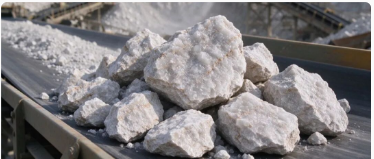
When leading enterprises holding phosphate rock collectively invest ~RMB 15 billion in lithium iron phosphate (LFP), "phosphate rock" is transforming from a traditional fertilizer feedstock into a ticket to new energy materials.
Phosphorus chemical giants are again intensively expanding across borders into LFP. According to incomplete statistics, from January to September 2026, phosphorus chemical leaders made approximately 6 investment projects in the LFP sector, with a total investment of about RMB 15 billion. The protagonists of the previous expansion wave were cathode material companies such as Hunan Yuneng and Fulin Precision; this time, standing at the center of the stage are traditional chemical giants that hold phosphate rock resources.
01 Where Did the ~RMB 15 Billion Go?
Two deals come from Hubei Yihua Group. Its 600,000-tonne/year LFP project — with total investment updated from RMB 4.894 billion at the first environmental assessment public notice early this year to RMB 5.039 billion in the draft for comments — has the largest single-project planned capacity among these projects. Hubei Yihua (000422) announced on September 21 that, to implement its strategic development plan and extend its new energy materials industry chain layout, its wholly-owned subsidiary plans to invest RMB 1.152 billion in a 150,000-tonne/year iron phosphate project with a 24-month construction period and a long-term planned capacity of 1 million tonnes/year. Hubei Yihua is one of China's leading phosphorus chemical enterprises; this investment is its latest move to extend from traditional phosphorus chemicals into new energy materials.
Two deals come from the joint ventures of Yuntianhua and Dangsheng Technology (Easpring): Yuntianhua (600096) introduced Easpring (300073.SZ) as a partner in April, with both parties jointly advancing iron phosphate and LFP projects with a combined investment of about RMB 4.493 billion. Juneng New Materials invests RMB 1.839 billion in a 200,000-tonne/year high-performance iron phosphate precursor and supporting project, while Youtian Technology invests RMB 2.654 billion to retrofit the project under construction and expand it into a 150,000-tonne/year LFP project.
Two deals come from Xinyangfeng and Xingfa Group. Xingfa Group's (600141) wholly-owned grand-subsidiary invests RMB 1.381 billion in a 100,000-tonne/year battery-grade LFP project; Xinyangfeng (000902) announced an investment of about RMB 3 billion in the Dongbao District of Jingmen to build a 300,000-tonne/year LFP plant with supporting 200,000-tonne/year iron phosphate capacity — its existing 100,000-tonne/year iron phosphate plant is running at full capacity with full sales.
In addition, Hubei Yihua Group's 600,000-tonne/year LFP project publicly announced in March involves a total investment of about RMB 5.038 billion; together with the listed company's RMB 1.152 billion iron phosphate project, the Group's planned investment for the year to date totals approximately RMB 6.19 billion.
The confidence of phosphorus chemical enterprises in cross-border expansion comes from the phosphate rock resources they hold.
In June 2026, after phosphate rock was included in the national catalog of strategic mineral resources, the supply elasticity of phosphate ore further narrowed, significantly amplifying the advantages of enterprises with self-owned phosphate mines in feedstock cost and supply stability. According to Kaiyuan Securities' estimates, China's domestic phosphate rock supply-demand gaps for 2026-2028 are 320,000 tonnes, 1.31 million tonnes and 9.75 million tonnes respectively — supply and demand remain tight in 2026-2027 and ease in 2028, with high-grade phosphate rock resources becoming increasingly scarce.
The upstream of LFP involves phosphate rock, yellow phosphorus, wet-process phosphoric acid, purified phosphoric acid and various phosphate systems. What phosphorus chemical enterprises are strongest at in this long chain of operations are resources, industrial parks and engineering.
02 Loading Share Above 80% — LFP Is Already the Mainstream Technology Baseline
According to the China Automotive Power Battery Industry Innovation Alliance, domestic LFP battery installations in 2025 reached 625.3 GWh, accounting for 81.2% of total installations, up 52.9% year-on-year. The momentum continued in 2026: domestic power battery installations in August reached 79.0 GWh, up 26.3% year-on-year, of which LFP accounted for 67.6 GWh (85.6%, up 31.0%); cumulative installations from January to August totaled 489.1 GWh, with LFP at 402.7 GWh (82.3%), up 18.3% year-on-year cumulative.
A share above 80% means LFP has become the baseline of the mainstream technology route. According to GGII (Gaogong Industry Research), the capacity utilization of the top five iron-lithium cathode companies in H1 2026 has risen to 95%-100%, a marked improvement from 60%-65% in H1 2025.
The fastest-growing segment is energy storage. According to ICC Xinlong Information, LFP output in H1 2026 reached 2.719 million tonnes, up 61.0% year-on-year, with full-year output expected at 6.2 million tonnes. Data from the China Automotive Power Battery Industry Innovation Alliance shows that in the same period, cumulative LFP power battery installations reached 272 GWh, up 11.5%, while cumulative energy storage battery sales reached 318.1 GWh, up 83.4%. With double-digit growth on the power side and near-doubling on the storage side, the industry's growth driver has shifted from a "single power wheel" to "dual wheels of power and storage."
Zhang Xiaofei, Chairman of Gaogong Lithium Battery, stated at the 2026 (19th) Gaogong Lithium Battery Industry Summit that overall lithium battery shipments will maintain roughly 45% growth in 2026, with industry volume expected to reach 3 TWh in 2027. Luo Huanta, founder of Dadong Times Think Tank, said, "The most direct driver of this expansion wave is the release of downstream storage and power demand."
CITIC Securities estimates that global LFP cathode material shipments in 2026 are expected to reach 5.25 million tonnes, up 36% year-on-year.
03 Phosphate Rock Revaluation — The Second Force from the Resource End
According to SunSirs data, the average price of power-grade LFP rose from RMB 35,771/tonne in Q3 2025 to RMB 58,178/tonne in Q2 2026, up 63%; storage-grade rose from RMB 29,000/tonne to RMB 57,016/tonne, up 97%. The year's peak for power-grade prices came in June, briefly exceeding RMB 67,000/tonne; as of September 23, power-grade transaction prices stood at RMB 52,200-55,500/tonne and storage-grade at RMB 51,800-53,000/tonne, having pulled back from the June peak. Much of this round of investment therefore concentrated around Q2 — the window of rising prices from a low base and profit recovery.
Phosphate rock is a typical example of China's resource endowment being "abundant but not rich": according to USGS data, China's phosphate rock reserves in 2025 were about 3.4 billion tonnes, down 300 million tonnes (8.1%) year-on-year. According to Kaiyuan Securities' estimates, high-grade phosphate rock (P₂O₅ content no less than 30%) accounts for only 20% of total reserves, with less than 40 years of minable life at current extraction rates. In June 2026, the Implementation Regulations of the Mineral Resources Law of the People's Republic of China took effect. According to China Co-op Times, phosphate rock, along with 35 other critical minerals including lithium, cobalt and rare earths, was included in the national catalog of strategic mineral resources.
Kaiyuan Securities estimates that China's domestic phosphate rock supply-demand gaps for 2026-2028 are 320,000 tonnes, 1.31 million tonnes and 9.75 million tonnes respectively — supply and demand remain tight in 2026-2027 and ease in 2028.
The significance of phosphate rock is changing — from "fertilizer feedstock" to a "ticket to new energy materials." According to Zhenli Research, phosphorus chemical enterprises such as Yuntianhua, Xingfa Group and Chuanfa Longmang, leveraging their own phosphate rock advantages to extend downstream, are revaluing traditional phosphorus resources as new energy material assets, capturing higher product added value.
04 The Industry Shifts from Capacity Competition to Value Competition
This is not the first time phosphorus chemical leaders have made intensive cross-border investments in LFP. In 2021-2022, with rapid growth in NEV and energy storage demand, multiple phosphorus chemical companies announced cross-border investments en masse, and planned capacity expanded rapidly. After capacity was released in concentration and hit by slowing demand growth, according to research institution EVTank, China's LFP capacity reached 3.417 million tonnes by the end of 2023, with overall capacity utilization below 50%.
From 2024 onward, earlier cross-border projects began to be terminated or changed. Among them, Yuntai Holdings (002539) terminated its unbuilt 150,000-tonne refined phosphoric acid and 300,000-tonne iron phosphate production lines in April 2024, citing "prominent supply-demand contradictions in the iron phosphate industry and pressure on product prices and profits"; Chuan Jin Nuo (300505) redirected approximately RMB 455 million in raised funds from two LFP cathode material projects to its Egypt phosphorus chemical project in June 2025; Chuanfa Longmang's 175,000-tonne/year high-compaction-density LFP project was also terminated in August 2026 after less than a year of progress.
Notably, this year LFP prices have continued to recover since bottoming out in Q3 2025. According to SunSirs data, the average price of power-grade LFP rose from RMB 35,771/tonne in Q3 2025 to RMB 58,178/tonne in Q2 2026, and storage-grade from RMB 29,000/tonne to RMB 57,016/tonne, up 63% and 97% respectively. As of September 23, power-grade LFP transaction prices were reported at RMB 52,200-55,500/tonne and storage-grade at RMB 51,800-53,000/tonne.
CITIC Securities estimates that global LFP cathode material shipments in 2026 are expected to reach 5.25 million tonnes, up 36% year-on-year. But structural contradictions have not disappeared: according to Gaogong Industry Research, industry capacity utilization stayed at 70%-75% from H2 2025 through 2026, and may fall below 60% in early 2027.
What is different this time? GGII analysis holds that this round of LFP expansion shows two major features: first, projects are landing faster, with smaller deviation between planned and actually realized capacity than in the previous expansion cycle; second, the overall realization rate of this round of expansion projects is expected to exceed 70%. It also believes that within this industry cycle, LFP materials are unlikely to see a supply shortage again.
The second difference lies in structure: according to GGII data, as of the end of May 2026, the domestic LFP cathode material industry's active nominal capacity (excluding Chinese enterprises' overseas capacity) reached 8.16 million tonnes, with planned and expanding capacity totaling 11.38 million tonnes. What is scarce is not total volume but high-end products: third-generation conventional products still hold about 43% market share, while processing fees for second-generation and below products have fallen below most companies' cash cost line; third-generation-plus and fourth-generation high-compaction products together account for 36%, of which only a single-digit number of stable suppliers exist for fourth-generation products, commanding a premium of RMB 2,000-5,000 per tonne.
Chuanheng Shares (002895) stated in its investor activity record on September 20 that the current iron phosphate track shows a structural divergence — supply of low-end conventional products is relatively ample, while high-quality iron phosphate for storage and power batteries is in tight supply; in the medium and long term, downstream storage and power battery end demand continues to grow steadily, and the focus of industry competition is shifting toward high quality and cost advantage.
Disclaimer: Part of this article is sourced from Securities Star and Energy Visibility. Copyright belongs to the original authors. The content is for exchange and learning only and does not represent the position of this official account. If any copyright issues involving text, images, etc. are unintentionally infringed, please contact us for deletion.
.webp)


Keep up with the latest developments of the Zhongwei Conference at any time
Subscribe to our blog to get free tips, inspiration, and resources to run an e-commerce business. All these resources will be sent directly to your inbox.
Latest updates
2026 CTEF Global Chemical Equipment Procurement and Supplier Matching Day
2026 | 06 | 09
Register Now
+
Craftsmanship Spirit, Honors Conferred! Call for Entries for the Annual Chemical Industry Golden Gear Award Launched!
2026 | 06 | 09
Register Now
+
Exhibition Preview | 14 Flagship Activities – Global Opportunities in Chemical Equipment
2026 | 06 | 09
Register Now
+
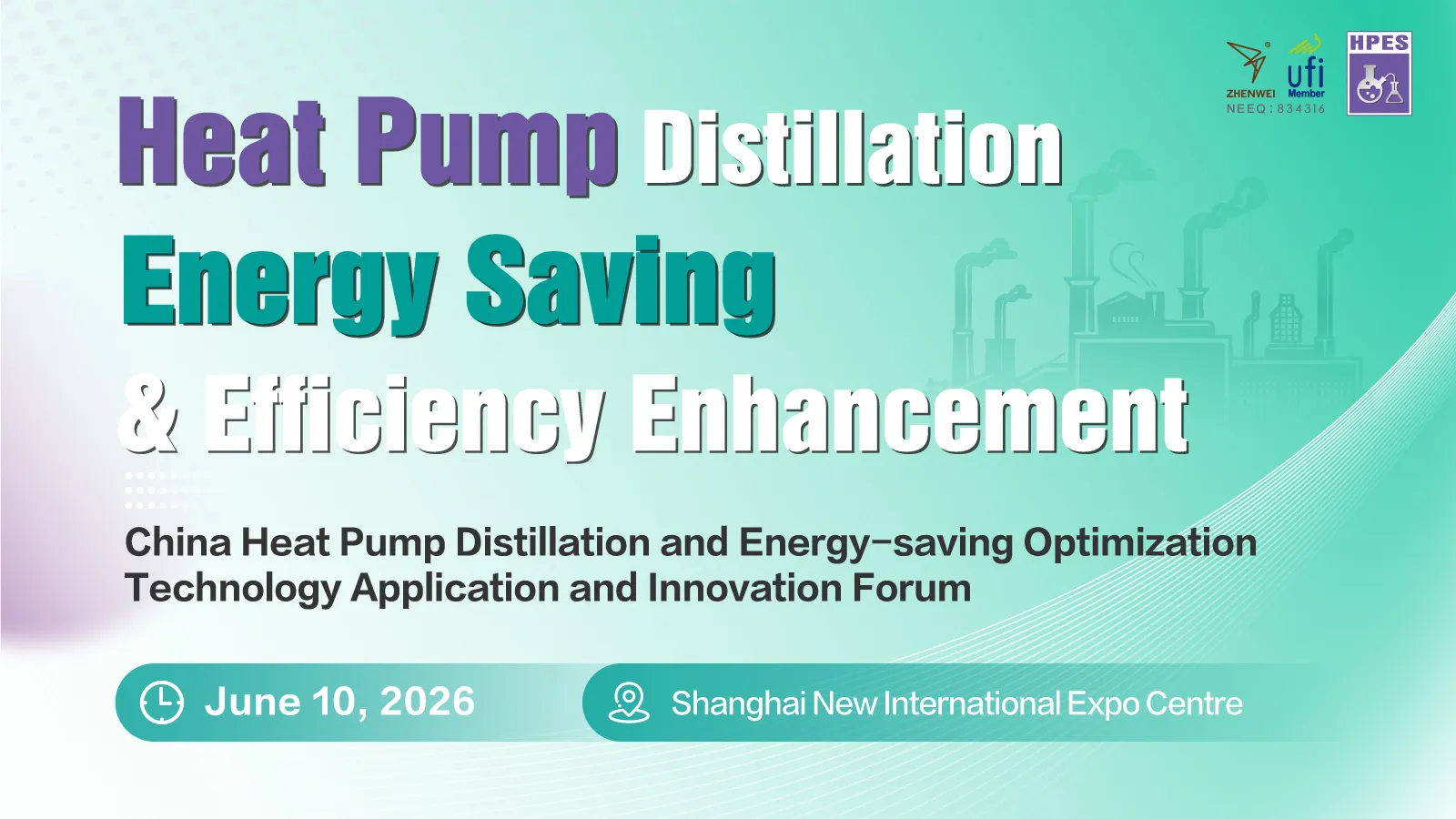
CTEF Heat Pump Distillation Energy Saving and Optimization Technology Forum
2026 | 06 | 10
Register Now
+
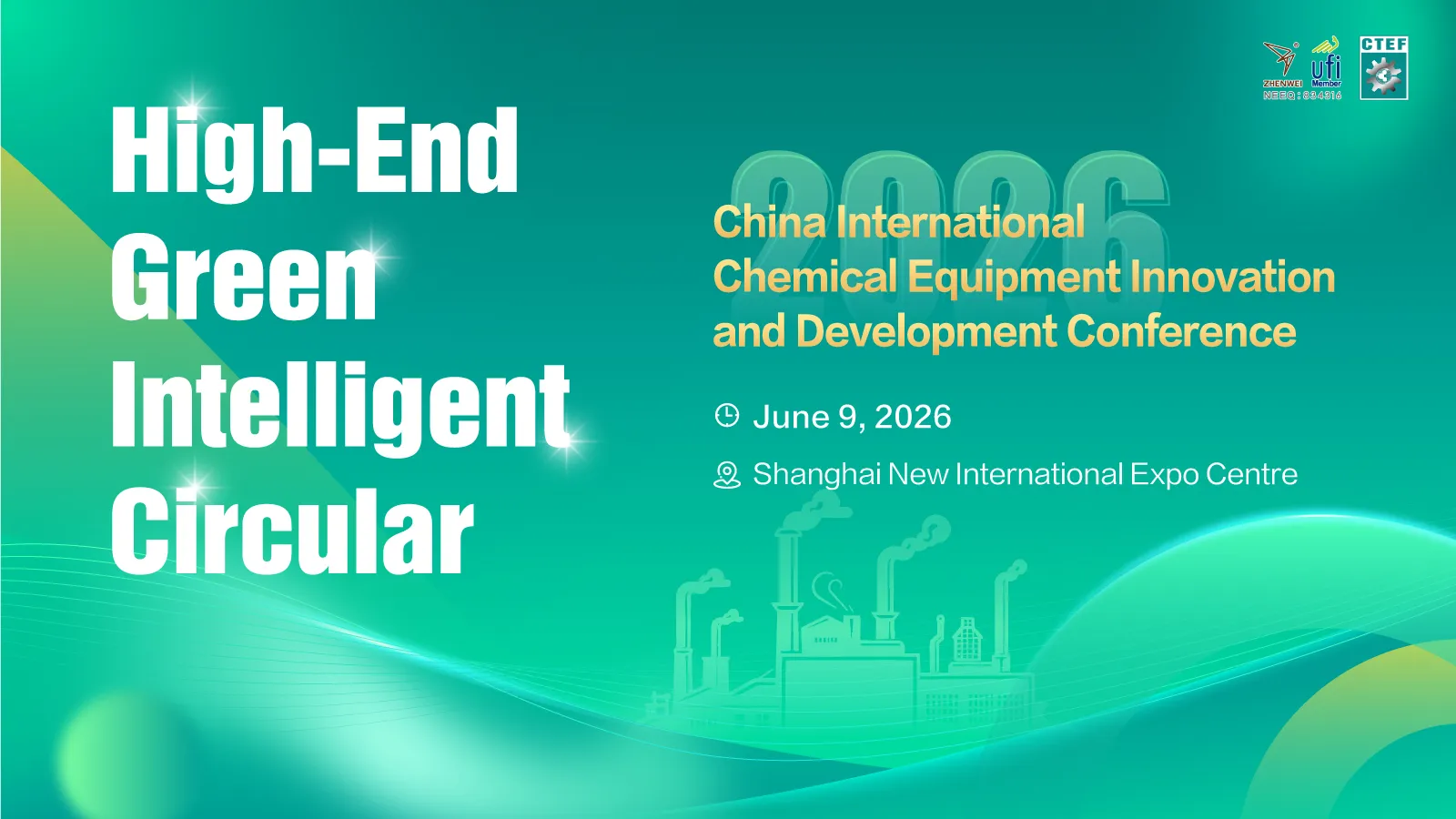
CTEF China International Chemical Equipment Innovation & Development Conference
2026 | 06 | 09
Register Now
+
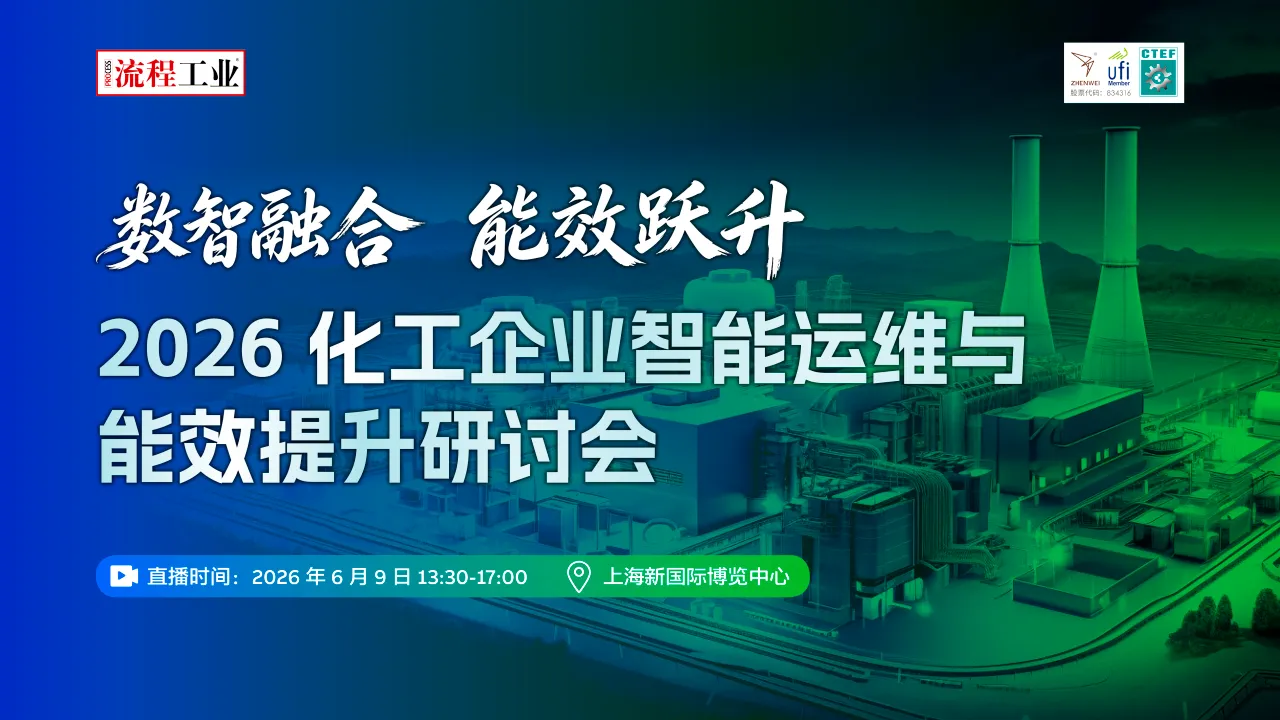
Seminar on Intelligent Operation and Energy Efficiency Enhancement of Chemical Enterprises
2026 | 06 | 09
Register Now
+
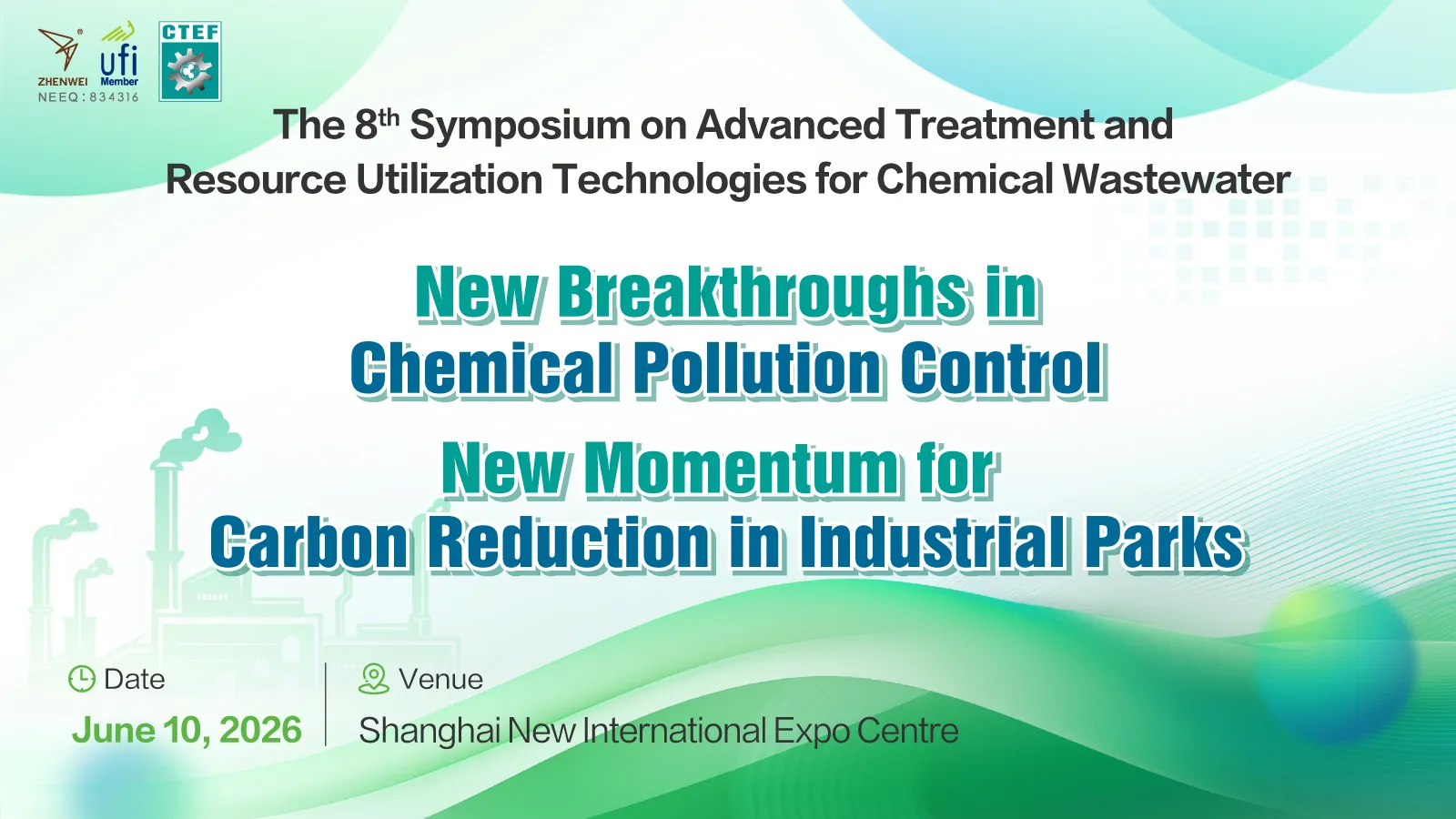
Symposium on Advanced Treatment and Resource Utilization of Chemical Industrial Wastewater
2026 | 06 | 10
Register Now
+
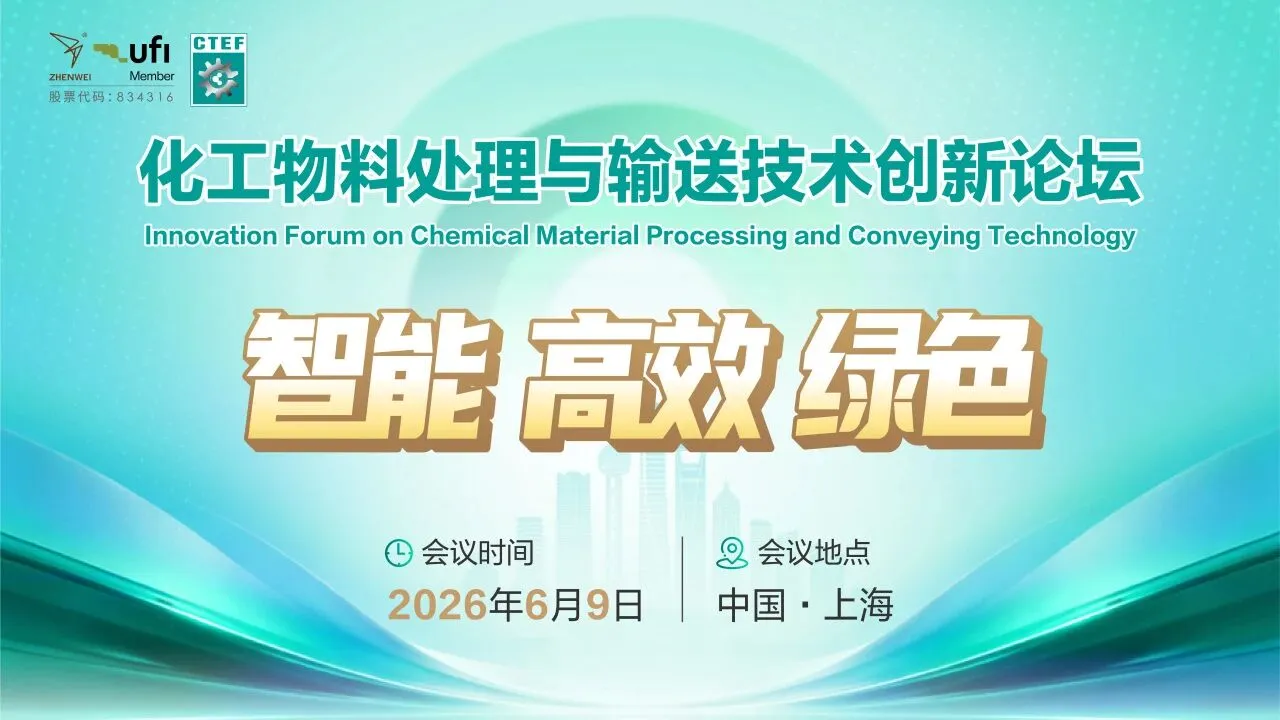
Chemical Material Handling & Conveying Innovation Forum Invitation
2026 | 06 | 10
Register Now
+
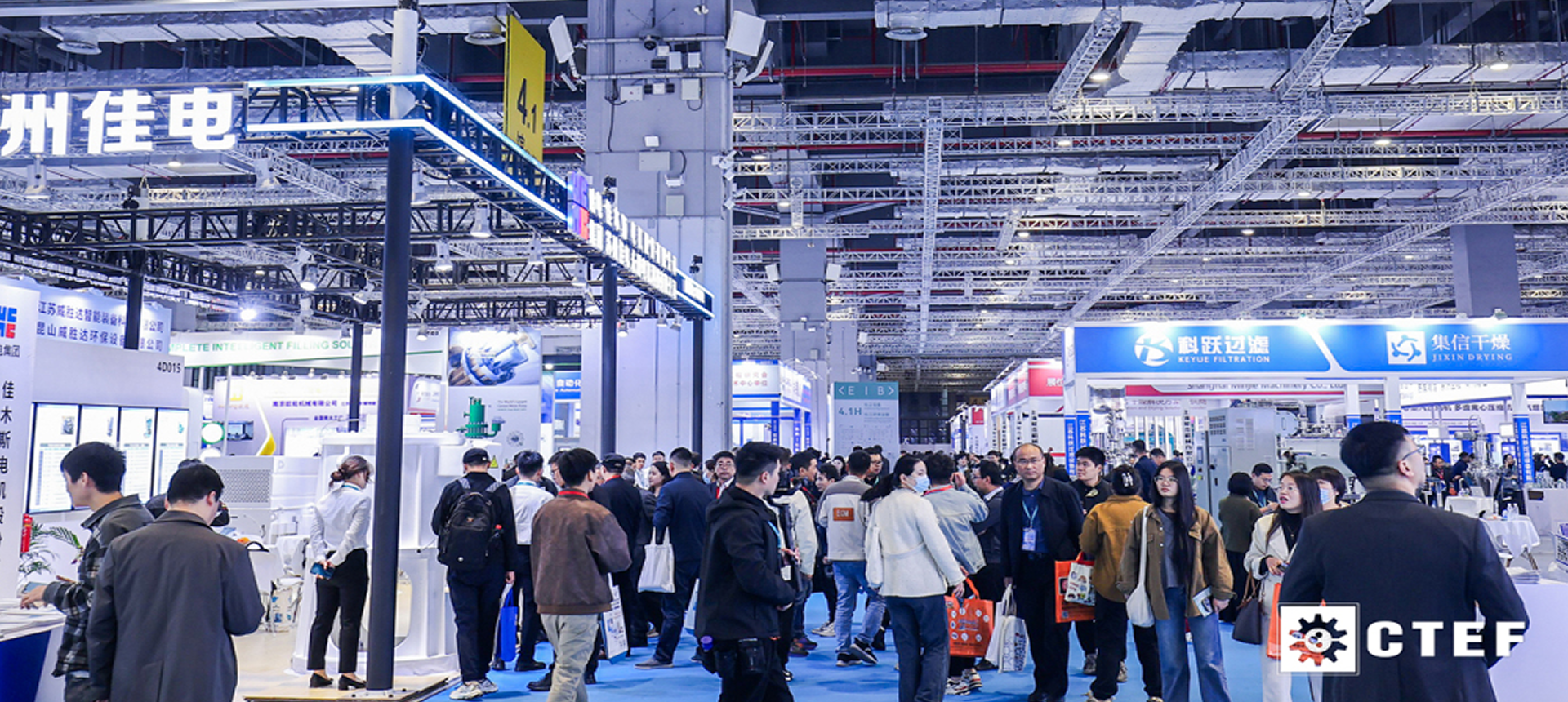
2025 China International Chemical Equipment Expo

China International Chemical Equipment Fair 2027
Organizer: Zhenwei Exhibition Group
Time: June 3-5 , 2027
Location: Shanghai New International Expo Center
About Event
Quick Entry
Business Cooperation
Tel:86-181 2799 1242
Address: Room 403-405, Fengpu Science and Technology Plaza, No. 2433 Xingang East Road, Haizhu District, Guangzhou, China