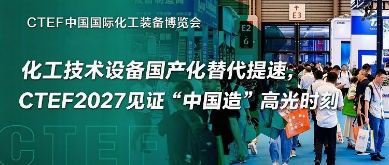
For years, China's chemical technology and equipment industry has faced a "chokepoint" dilemma: core technologies and high-end equipment relied heavily on imports, driving up operating costs and exposing the supply chain to security risks. Today, driven by national strategy, corporate R&D, and deep industry-academia collaboration, Chinese chemical equipment manufacturing is entering a new era — from breakthroughs in key equipment to indigenous core technologies, from import dependence to scaled deployment of domestic equipment.
How far has domestic substitution actually come? How can Chinese equipment makers turn technical strength into market competitiveness? And where will they find the next wave of orders?
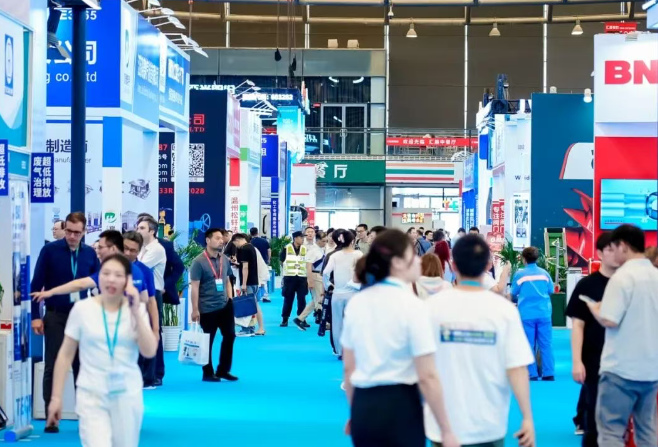
From June 3 to 5, 2027, CTEF 2027 (China International Chemical Technology & Equipment Fair) returns to the Shanghai New International Expo Centre. Focused on indigenous innovation and market expansion, CTEF 2027 will serve as a dedicated platform for chemical equipment manufacturers to showcase technology, build brands, match supply with demand, and explore international cooperation.
01 | Domestic Substitution Enters the Fast Lane
Domestic substitution is not a simple swap of imported parts. It means a step-change in core technology, key materials, manufacturing processes, system integration, and after-sales capability. As new energy materials, electronic chemicals, fine chemicals, coal-to-chemicals, and high-end petrochemicals scale up, production units demand equipment with higher corrosion resistance, temperature tolerance, operational stability, automation levels, and energy efficiency.
Chinese equipment makers have been closing the gap — in large reactors, compressors, specialty valves, heat exchange units, fluid handling, and automation controls. The shift is moving from "single equipment autonomy" to "breakthroughs across key process nodes plus full-flow system solutions." For manufacturers, this opens not just new R&D directions, but new market space.
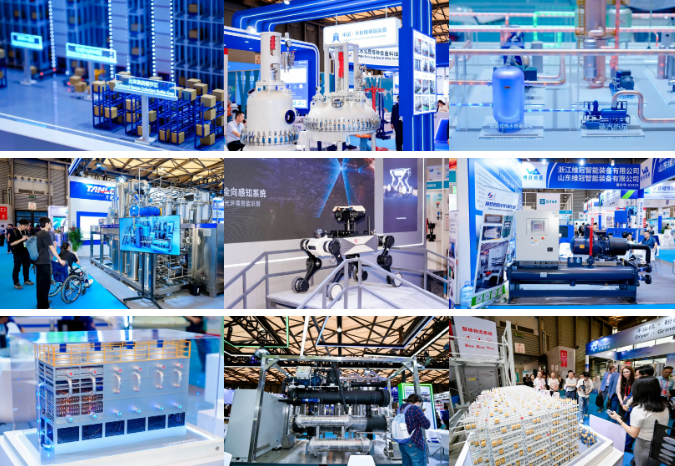
For manufacturers, this opens not just new R&D directions, but new market space.
02 | The Breakthroughs Worth Seeing
CTEF has long been the stage where domestic benchmark companies demonstrate their capabilities, exchange know-how, and reach new customers. From core equipment to critical components, from proprietary technology to scaled domestic deployment, a growing cohort of specialists in niche segments gathers here.
(Selected domestic substitution exhibitors from past editions)
- Chuanyi (Chongqing Chuanyi Automation) — the "national team" of industrial automation instruments. Fourteen products have broken through chokepoint technologies and filled domestic gaps; over 50 product lines have achieved domestic substitution. From 2020 to date, the company has led or participated in 97 national, provincial, and group-level research projects; drafted 71 national and 12 industry standards; added 820 granted patents (189 invention patents) and 320 software copyrights, bringing cumulative valid patents to 1,210 (412 inventions). Chuanyi is a core member of the SINOMACH instrument group — a key step toward self-controlled instrumentation.
- Zibo Taiji — China's leader in glass-lined equipment. A high-tech and "specialized & sophisticated" enterprise, it has drafted the national standard for glass-lined equipment four times and holds nearly 100 production patents. Its glass-lined equipment sales have ranked No. 1 nationally for over a decade, with annual capacity exceeding 30,000 units. Its self-developed high-grade enamel outperforms imported products in acid resistance, alkali resistance, and thermal shock resistance. It holds ASME (US), PED (EU), RTN (Russia), and ISO certifications, exporting to over 50 countries and regions.
- Jiangzeng Heavy Industry (CSSC group) — making MVR steam compressors no longer import-dependent. Its in-house GVC-series MVR compressor cracked the chokepoint in high-efficiency mechanical vapor recompression, achieving domestic production of high-speed centrifugal steam compressors at internationally advanced levels — a full substitute for comparable imports. Two product lines are listed as national patent-intensive products.
- Great Wall Mixing — making high-end mixing equipment import-competitive. A leading industrial mixing enterprise, a MIIT "Little Giant," and an industry-standard setter. It leads 2 national and 16 industry standards, holds 110+ valid patents, and masters core technologies in mixing transmission, CFD simulation, and high-pressure seal integration. Certified to ISO, CE, and ATEX.
- Zhenlan Instrument — breaking through on ultrasonic gas metrology. A Shenzhen ChiNext-listed company, its self-developed ultrasonic gas meter core measurement module is now fully proprietary and in mass production, ending dependence on overseas technology. In 2026 it secured EU MID, OIML-R137, and EN14236 certifications — the first domestic ultrasonic gas meter with a fully self-developed measurement module to achieve such accreditation, confirming that its core module meets international benchmarks in metering accuracy, stability, and reliability.
- DEWIN Turbomachinery — driving chemical energy-saving retrofits with domestic steam compressors. A national high-tech enterprise and Jiangsu "specialized & sophisticated" firm, it was China's first centrifugal steam compressor manufacturer. It holds ~15% of the domestic centrifugal MVR compressor market and has completed 30+ reference projects across MVR evaporation, heat-pump distillation, steam boosting, multi-effect evaporation retrofitting, and screw-compressor replacement. ISO 9001/14001/45001 certified.
- Xintai Valve — a standard-setter in specialty valves. It has drafted national/industry standards for natural gas ball valves, oxygen-service valves, cryogenic valves, and stainless-steel water-supply valves. It holds 3 invention patents and 10+ utility-model patents, with ISO 9001, TS, CE, ISO 14001, ISO 45001, and API certifications plus 100+ honors including "Zhejiang Manufacturing" accreditation.
Meanwhile, a new wave of domestic-substitution players has also confirmed exhibition at CTEF — including Great Wall Mixing, Zibo Taiji, DEWIN, Xintai Valve, Huaying Valve, Ouneng Machinery, Jiangyin Bosheng Thermal, Ruida Environmental, Shandong Paiya Heavy Industry, Zhejiang Huannuo Environmental, Zhejiang Fuming, Jiangsu Yuanxin, Gaodao Sealing, and Hangzhou Dali Filtration. The CTEF 2027 exhibitor list is itself a growing "report card" on domestic substitution — representing the force pushing China's chemical equipment industry toward higher-end and smarter manufacturing.
03 | Where Will the New Orders Come From?
The acceleration of domestic substitution is, at its core, a reallocation on the demand side. Three order waves are forming:
Wave 1 — Retrofit of existing chemical plants.
Six major chemical projects launched in 2026 carry total investment exceeding RMB 300 billion, of which digital and low-carbon retrofits account for over 40%. A three-year national energy-saving and low-carbon retrofit action across key industries is already underway. Pumps, valves, heat exchangers, compressors, filtration equipment, instruments, and environmental equipment all stand to win new application opportunities as existing units are upgraded. For manufacturers, retrofit demand from the installed base deserves as much attention as greenfield packages.
Wave 2 — Expansion of emerging chemical industries.
New energy materials, electronic chemicals, advanced chemical materials, and fine chemicals demand higher-spec production equipment. High-purity material transfer, precision filtration, efficient separation, specialty-material corrosion protection, continuous production, and automated control all call for more specialized, refined equipment solutions. Companies that build technical advantages around specific application scenarios can enter new supply chains.
Wave 3 — Going global.
As China's chemical equipment manufacturing capability rises, overseas chemical project construction, capacity expansion, and equipment renewal open new market space. Southeast Asia, the Middle East, Russia, and Belt-and-Road industrial markets offer notable cooperation opportunities in project buildout, equipment procurement, and energy-saving retrofits.
04 | Showcasing Technology, Closing Orders: CTEF 2027 Opens New Market Doors
When domestic substitution accelerates, companies need more than a product showcase — they need a platform that connects industry resources, surfaces real demand, and converts leads into business.
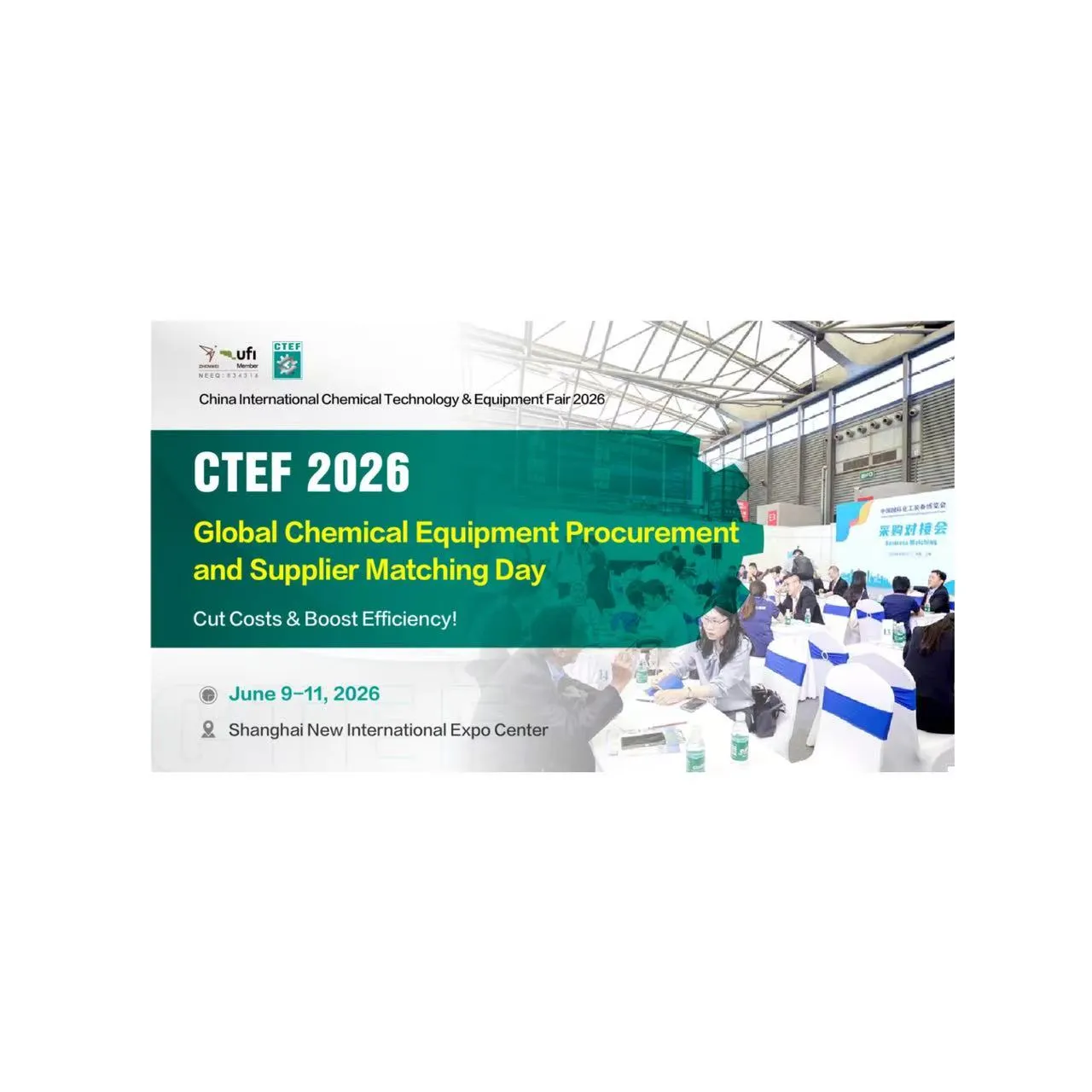
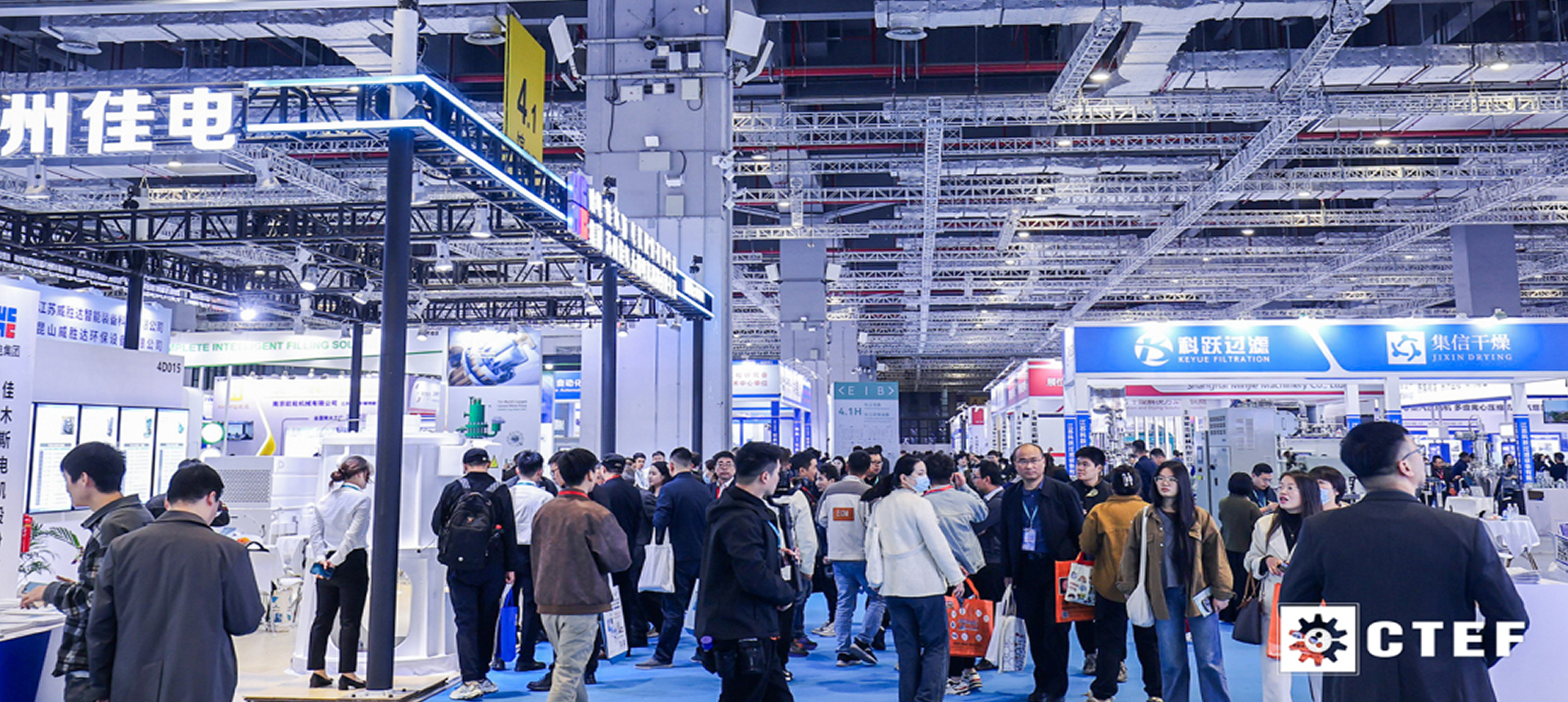
Approved by the Ministry of Commerce of China and UFI-certified, CTEF has built up over 18 years into a core platform linking global chemical technology and equipment innovation. From June 3 to 5, 2027, CTEF 2027 will occupy 70,000 sqm at the Shanghai New International Expo Centre, expecting 1,000+ exhibiting brands, 100,000+ professional visitors from home and abroad, and 88 overseas purchasing delegations from 67 countries and regions.
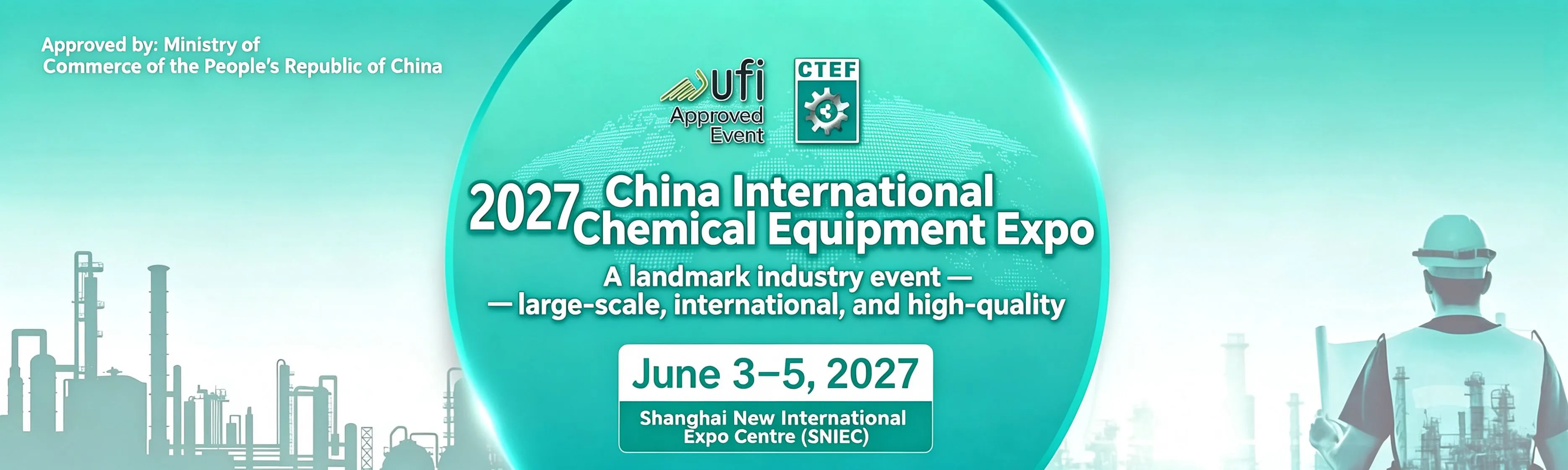
- Eleven themed zones — Pumps, Valves & Piping and Fluid Handling; Heat Exchangers & Heat Transfer; Instruments, Meters & Automation; Electronic Chemicals Technology & Equipment; Liquid Cooling Materials & Equipment for Chemical Industry; New Chemical Materials, New Energy & Powder Processing; Evaporation & Crystallization; Heat-Pump Distillation & Energy-Saving Optimization; Separation & Filtration; Chemical Environmental Protection; and Smart Chemicals — cover the full value chain, so every technical showcase reaches its target buyers.
- CTEF treats "real results" as its lifeline, running a full loop: pre-show demand locking → on-site deal facilitation → post-show partnership nurturing. Working with industry associations, authoritative media, and leading companies, CTEF pre-invites domestic and overseas buyers and organizes professional international buyer delegations matched to global demand.
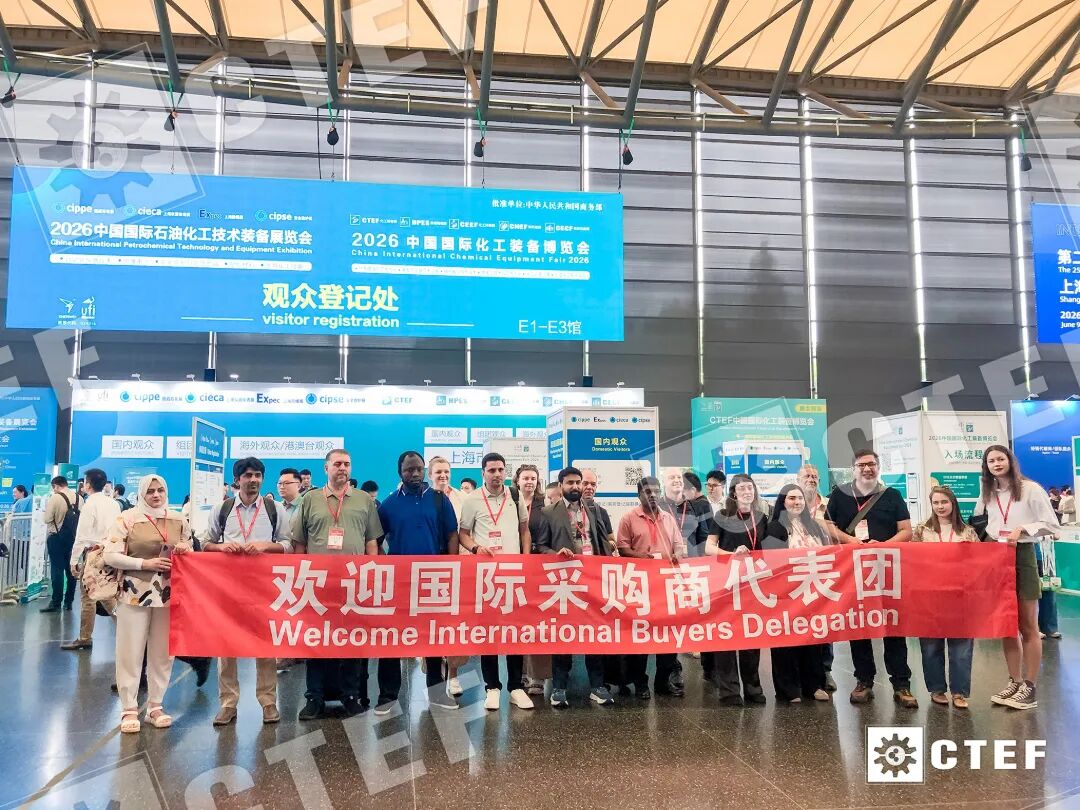
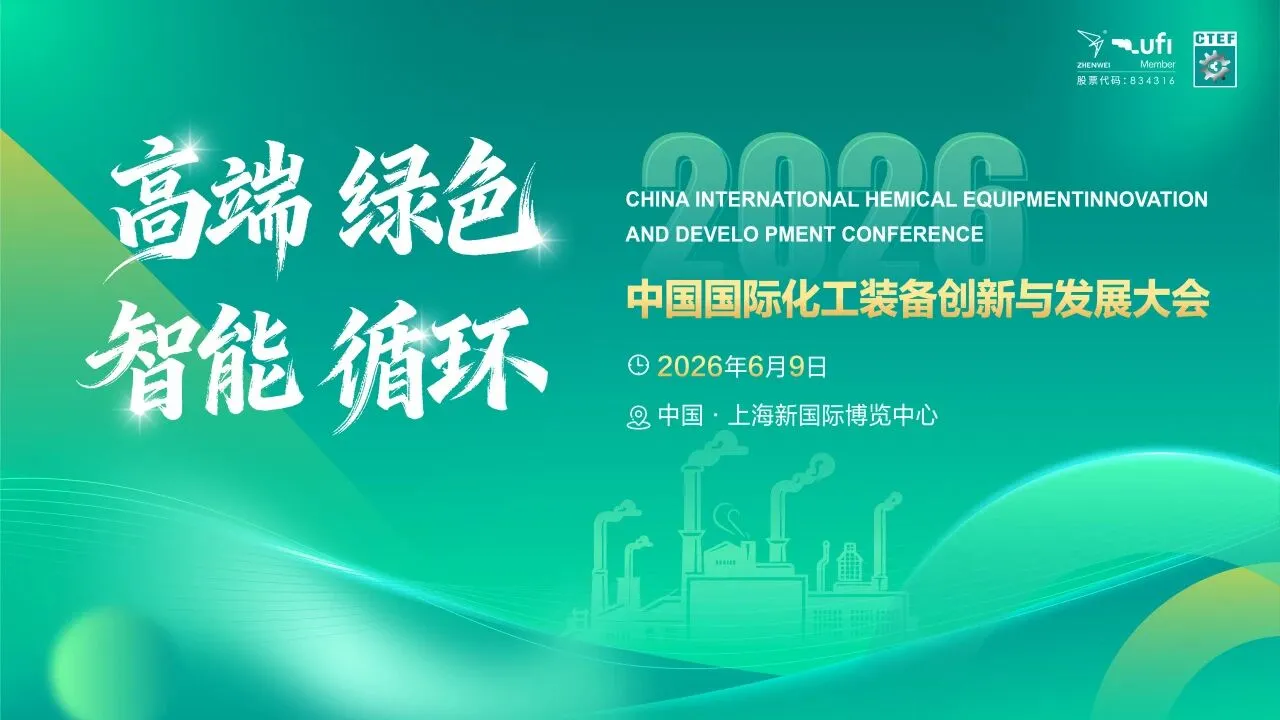
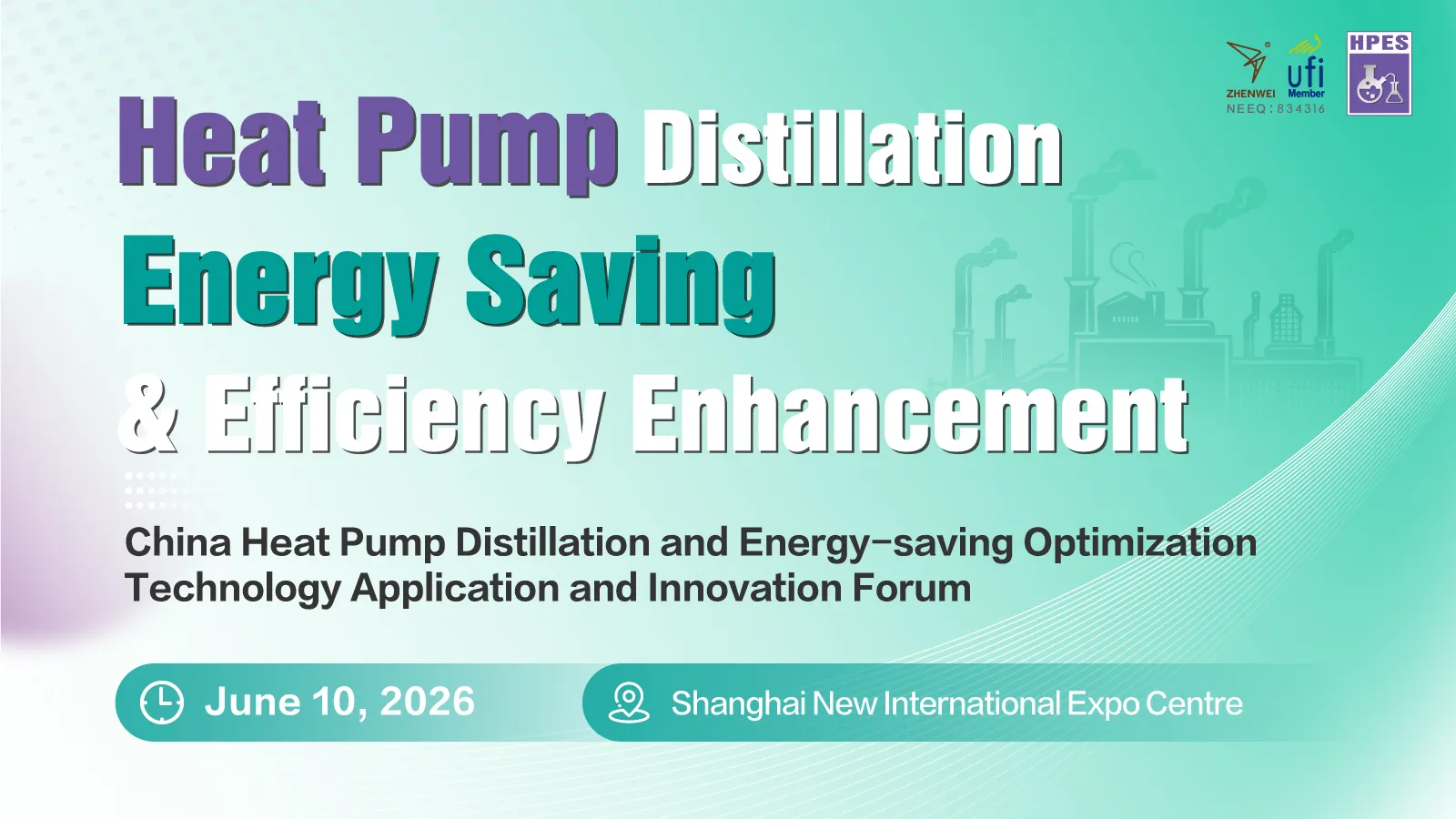
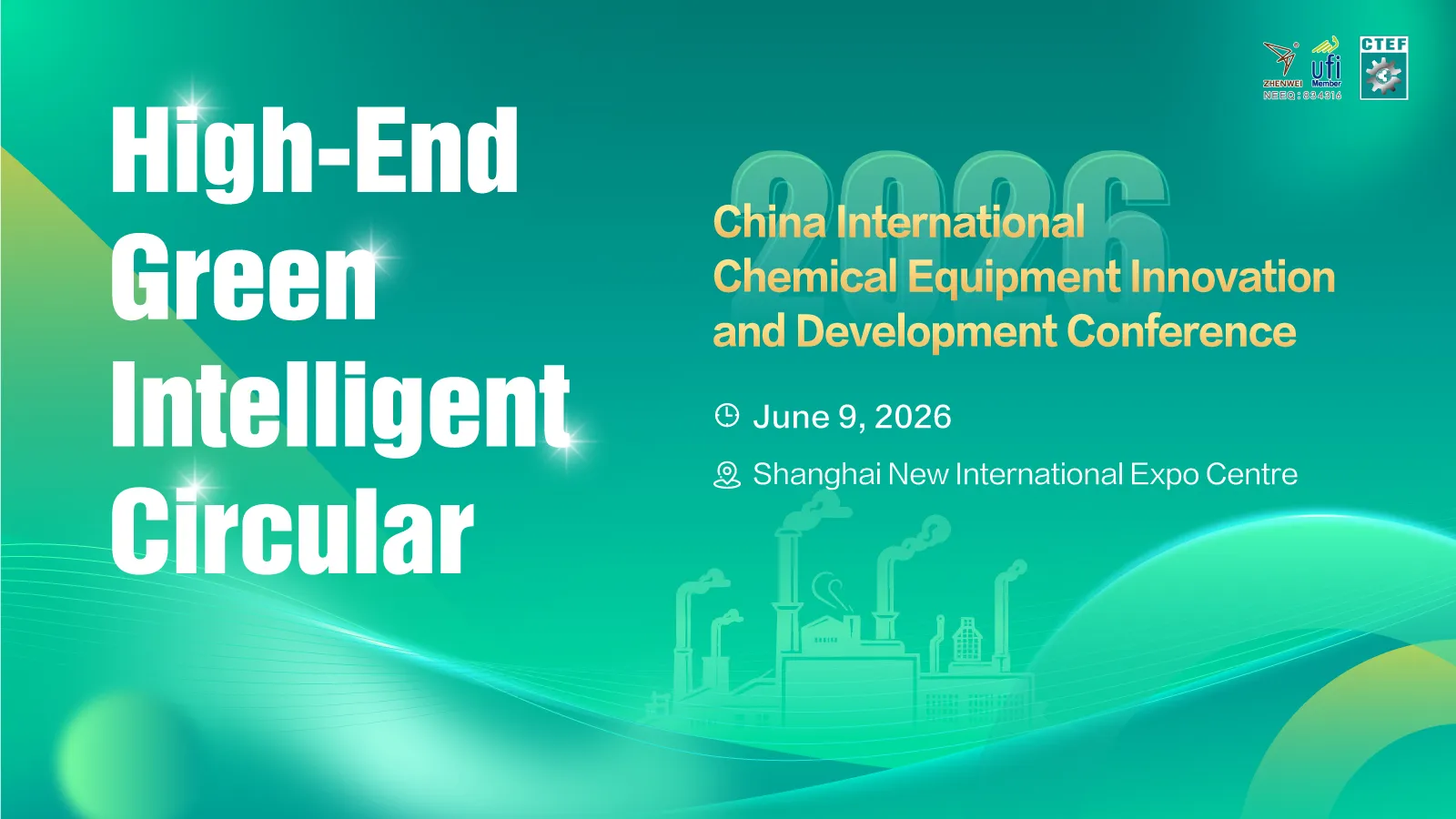
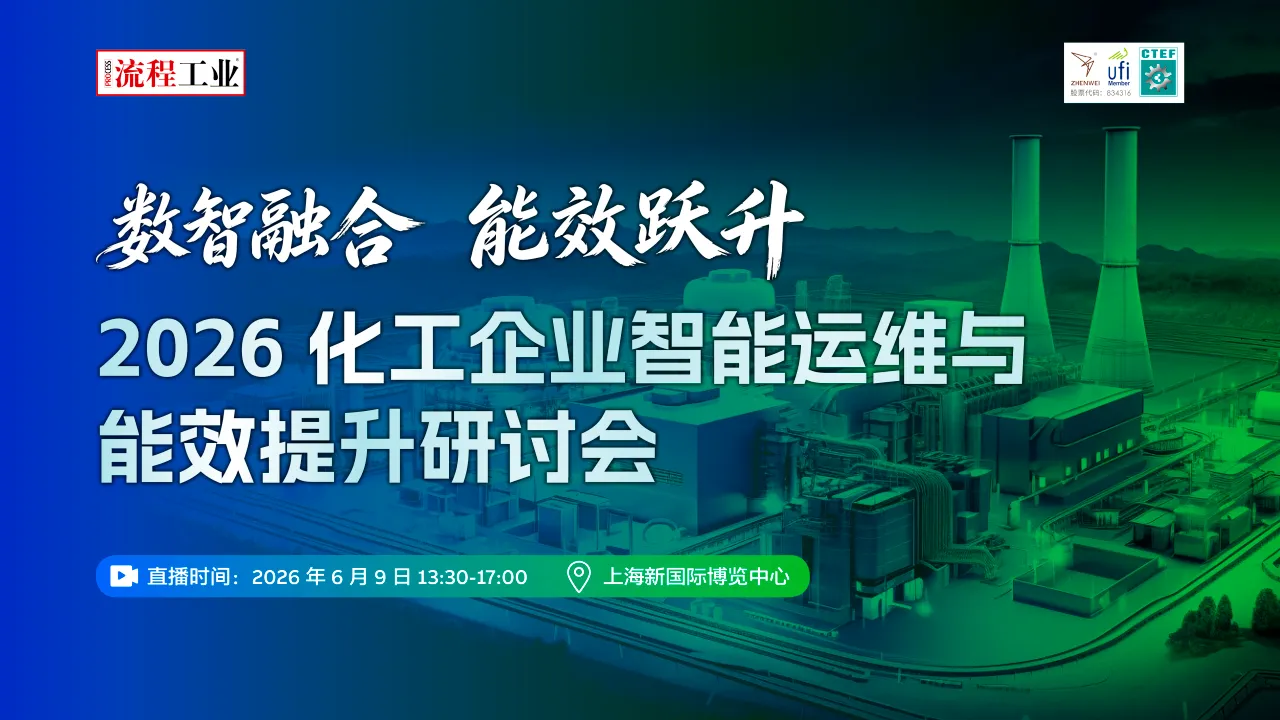
- On-site, CTEF stages over ten high-level forums and events — including the China International Chemical Technology & Equipment Innovation and Development Conference, the Heat-Pump Distillation & Energy-Saving Optimization Forum, the Electronic Chemicals Technology & Equipment Forum, provincial/municipal international procurement match-making sessions, and the CTEF 2027 International Procurement Matchmaking Conference. Academicians from the Chinese Academy of Sciences, university experts, industry-association leaders, and representatives from leading domestic and international chemical companies share policy interpretation, technical discussion, and case studies.
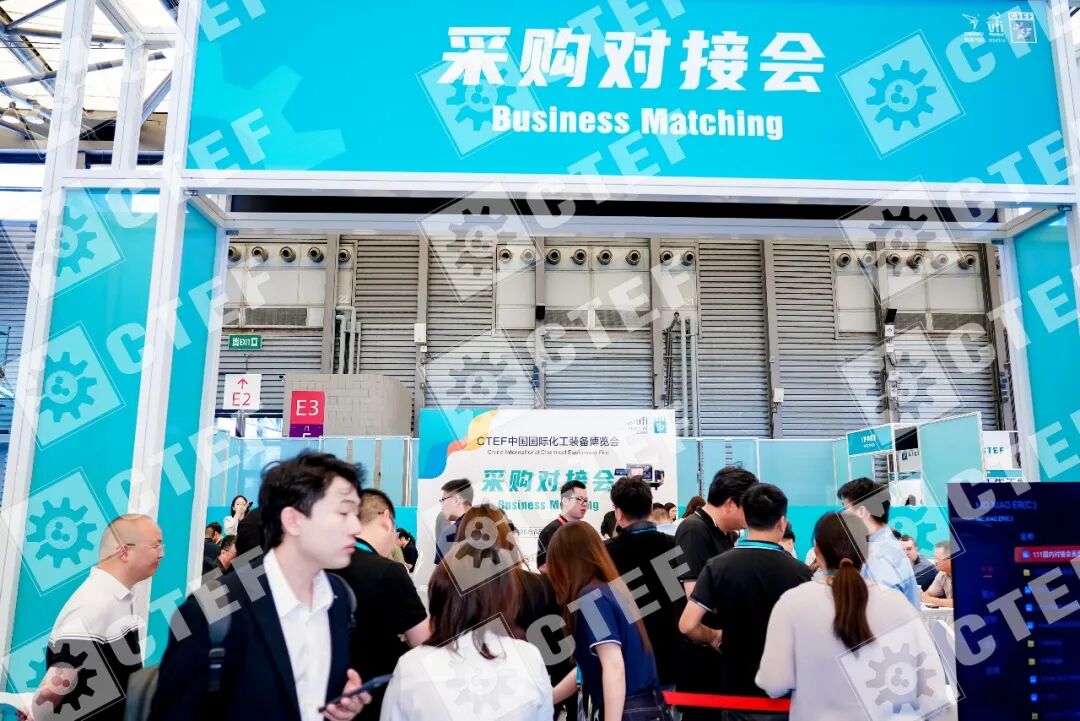
- Post-show, leads are classified by region, product category, and urgency, matched to the right exhibitors, and followed through by dedicated liaisons — moving buyers and sellers from "face-to-face" to "real cooperation." Data shows that at CTEF 2026, nearly 60% of exhibitors had already established contact with buyers within 3 working days after the show, entering business negotiation.
From June 3 to 5, 2027, at the Shanghai New International Expo Centre, CTEF 2027 welcomes chemical equipment manufacturers, technology service providers, system solution vendors, and upstream/downstream partners to gather in Shanghai.
Exhibitor registration, buyer-delegation organization, and visitor pre-registration are now open.
CTEF 2027 — growing together with China's chemical equipment industry, and witnessing the next breakthrough moment of domestic substitution.

2027 China International Chemical Equipment Expo

China International Chemical Equipment Fair 2027
Time: June 3-5 , 2027
Location: Shanghai New International Expo Center
Tel:86-181 2799 1242